
The use of corrugated roofs in Australia is not simply a nostalgic style of old farmhouses. It only takes a walk around the suburbs, the coastal towns and the countryside to understand just how prevalent the corrugated roofs are, regardless of whether they are new or refurbished. There is also a good reason for this. […]
The use of corrugated roofs in Australia is not simply a nostalgic style of old farmhouses. It only takes a walk around the suburbs, the coastal towns and the countryside to understand just how prevalent the corrugated roofs are, regardless of whether they are new or refurbished.
There is also a good reason for this. The corrugated roofs are sturdy, light, easily erected and perfect for the Australian conditions. They hold out against the bad weather, including heavy rains and storms, better than one might expect.
Finding the right corrugated roof, however, is not an easy thing to do. There are numerous factors to take into consideration: what type of metal is used, the sheet thickness, profile design, distance from the ocean and the cost.
This guide covers all the aspects of the matter simply: what types of corrugated roof sheets exist, their true advantages, how much they cost and how not to make the common errors when installing them.
What Is Corrugated Roofing?
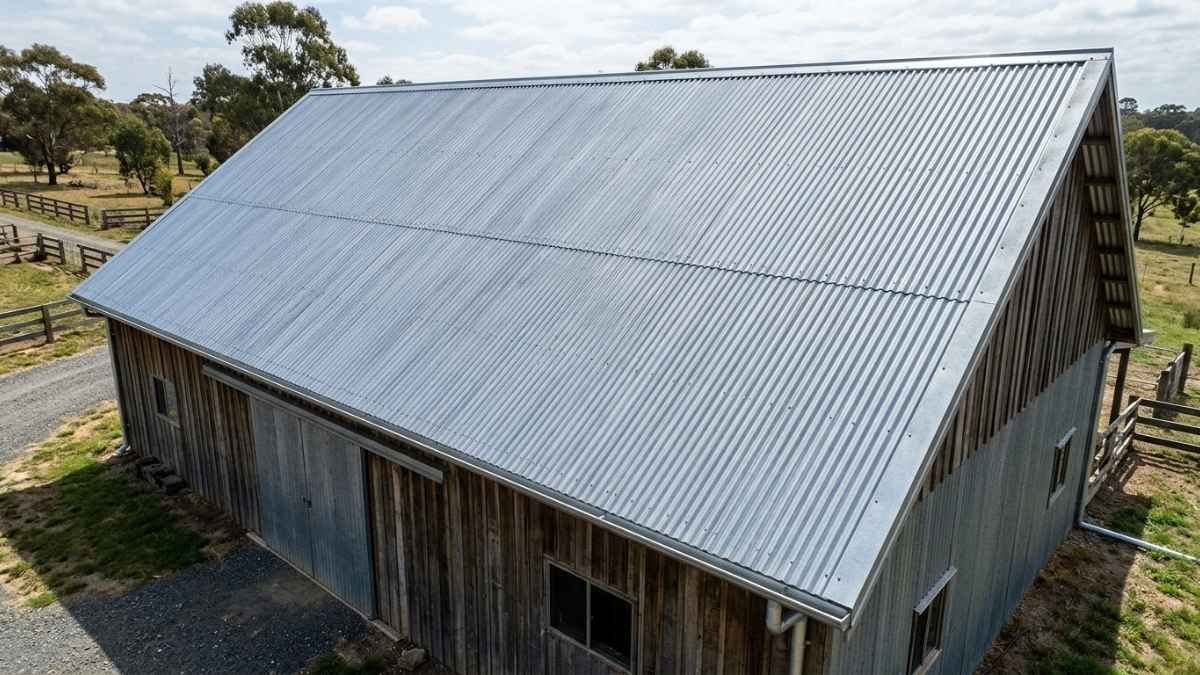
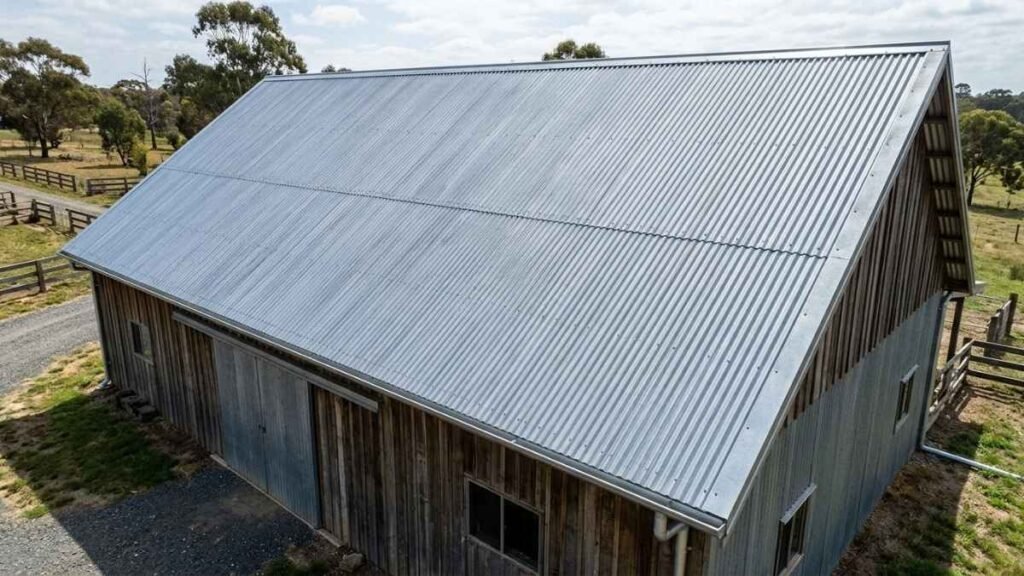
Corrugated roofing is made from sheets with a wavy, ridged profile. The waves add strength, so a thin sheet of metal can span a decent gap between roof battens without bending or sagging.
The ridges also help water run off quickly. That is why this style has been used on Australian homes, sheds and farm buildings for well over a century.
Many people still say “corrugated iron roof sheets”, but modern sheets are not iron. They are made from steel with a protective coating. The old name just stuck around.
Corrugated Roof vs Tray Deck Roofing
People often compare these two, so here is the simple difference.
A corrugated roof has rounded waves. Tray deck roofing has flat pans with raised ribs and a more modern, clean-lined look. Tray deck can work on lower pitches, while corrugated gives you that classic Australian character.
Here is a quick side-by-side:
| Feature | Corrugated Roof | Tray Deck Roofing |
| Look | Classic, wavy | Modern, linear |
| Minimum pitch | Around 5 degrees | Can go lower, often around 2 degrees |
| Fixing method | Through the crests | Often concealed or through the pan |
| Best for | Homes, sheds, heritage looks | Modern homes, low-pitch roofs |
| Typical cost | Usually lower | Usually higher |
Always check the exact minimum pitch with the manufacturer of the sheet you choose, as it can vary by product.
Types of Corrugated Roof Sheets in Australia
Not all corrugated metal roofing is the same. The coating and the base metal make a big difference to how long it lasts.
Galvanised Corrugated Iron
This is the traditional option. The steel is coated in zinc. It is budget-friendly and works well for sheds, patios and farm buildings. It does not last as long as newer coatings, especially near the ocean.
Zincalume Corrugated Sheets
Zincalume uses a zinc and aluminium coating. It resists corrosion better than basic galvanised steel and reflects heat well. It is a popular pick for homes and sheds, though it has a silver, metallic finish only.
Colorbond Corrugated Roofing
Colorbond is pre-painted steel from BlueScope, sold in a wide range of colours. It is the most common choice for house roofs in Australia. Colorbond Ultra is a tougher version aimed at coastal and harsh environments.
Other Options
- Polycarbonate corrugated sheets for pergolas and patios where you want light to come through
- Fibreglass sheets, often used as skylight panels between metal sheets
- Cement sheeting, which you will find on older buildings (see the safety note below)
Benefits of Corrugated Roofing
Here is why so many Australians choose a corrugated roof:
- Lightweight. It puts less load on the frame, which can save money on structure, especially in renovations.
- Long lifespan. With the right coating and maintenance, a good steel roof can last decades.
- Fast installation. Large sheets cover a lot of area quickly, which cuts labour time.
- Heat reflection. Lighter colours and reflective coatings help keep roof heat down in summer.
- Good water runoff. Rain clears fast, so there is less chance of pooling.
- Low maintenance. An occasional wash and a check of the screws and flashings is usually enough.
- Rainwater friendly. Steel roofs are widely used for rainwater tanks, which matters in many parts of the country.
- Recyclable. Steel can be recycled at the end of its life.
One honest point: metal roofs can be noisy in heavy rain if there is no insulation or sarking underneath. A good insulation layer fixes most of that.
How Much Does Corrugated Roofing Cost in Australia?
Prices change by state, supplier, steel prices and how complex the roof is, so treat the figures below as rough ranges only. Always get at least two or three written quotes.
| Item | Rough Cost Range |
| Corrugated roof sheet (material only) | Often around $15 to $40 per square metre |
| Colorbond corrugated sheets (material only) | Usually at the higher end of that range ($30 to $40+) |
| Installed corrugated roof (labour and materials) | Commonly around $50 to $120 per square metre |
Removing and disposing of an old roof | Extra, and higher if asbestos is involved
What Affects the Price?
- Base metal thickness (BMT). Thicker steel costs more but handles hail and foot traffic better.
- Coating type. Colorbond costs more than basic galvanised.
- Roof size and shape. Lots of valleys, hips and penetrations add labour.
- Access. A steep or hard-to-reach site slows the job.
- Insulation and sarking. These are extra but worth it.
- Your location. Remote areas pay more for freight and travel.
A tip from experience: the cheapest quote is not always the cheapest roof. A sheet that rusts in 10 years costs far more than a better sheet that lasts 30.
How to Choose the Right Corrugated Roofing
Think About Your Location
If you live within a few kilometres of the coast, salt air will attack ordinary coatings. Look at coastal-rated products like Colorbond Ultra and ask the supplier which coating suits your exact area.
For bushfire-prone areas, check the requirements that apply to your site. Steel is non-combustible, but the rest of the roof detail matters too.
Check Your Roof Pitch
Corrugated sheets need a minimum slope to shed water properly. If your roof is very flat, a tray deck profile may be the better fit. Your roofer or the manufacturer’s data sheet will give you the exact minimum.
Pick the Right Thickness
Common thicknesses run from about 0.35mm to 0.48mm. Thicker sheets resist denting and handle wind better. For a house, most people lean to the thicker end. For a basic shed, a lighter sheet may be fine.
Choose Your Colour with Heat in Mind
Light colours reflect more heat. Dark colours look striking but can warm up more. If your home gets hot summers, this matters more than most people think.
Corrugated Roof Installation Tips
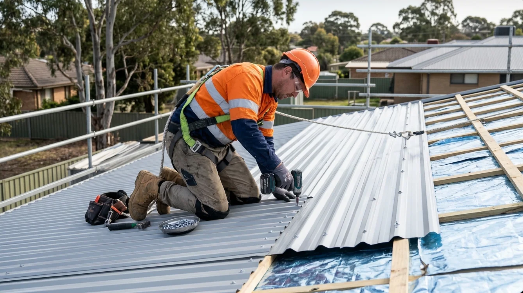
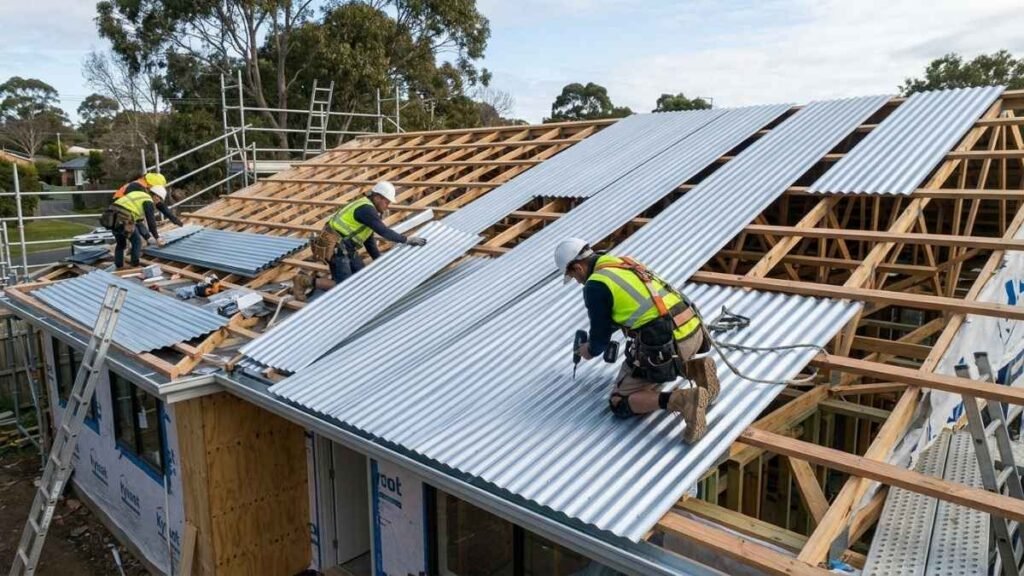
You should hire a licensed roofer for a house roof. Roofing is one of the most dangerous trades, and in Australia the work must meet building codes and standards. That said, knowing what good installation looks like helps you spot a bad job.
Before You Start
- Check with your local council whether you need approval
- Test for asbestos if your building is older (see the safety note below)
- Inspect the timber frame or battens and replace anything rotten
- Plan for sarking or an anticondensation blanket under the sheets
During Installation
- Use the right screws for the sheet and your environment. Cheap fasteners are a top cause of early rust and leaks.
- Fix sheets at the correct spacing. Too few screws and wind can lift the roof.
- Overlap sheets properly, with the overlap facing away from the prevailing wind where possible.
- Use proper flashings around chimneys, vents and walls.
- Do not let different metals touch, such as copper pipes or lead flashings dripping onto steel. This causes corrosion.
- Clean off metal swarf (the small drilling shavings) straight away. Left behind, they rust and stain the sheets.
After Installation
Rinse the roof now and then, especially near the coast, because salt build-up speeds up corrosion in areas that rain does not reach, like under eaves. Check screws, flashings and gutters once or twice a year, and after big storms.
Important Safety Note: Asbestos in Old Roofs
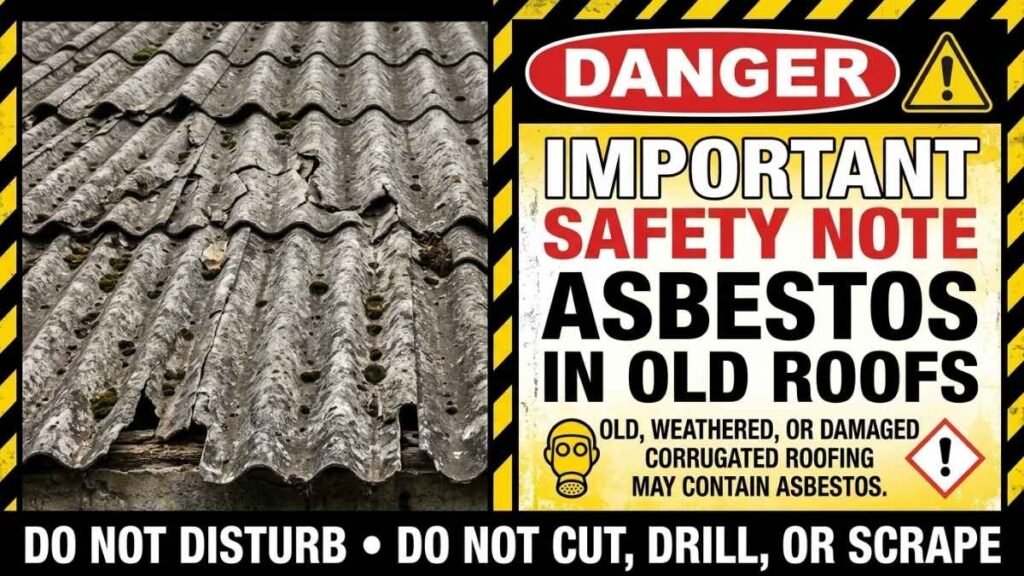
If your house or shed was built before the late 1980s, the old corrugated sheeting could be asbestos cement. Do not cut, drill, break or pressure wash it.
Asbestos must be handled and removed by licensed professionals, following your state or territory rules. This is one place where saving money is never worth the risk.
Common Mistakes to Avoid
- Choosing the wrong coating for a coastal location
- Skipping insulation, then complaining about noise and condensation
- Using low-quality screws
- Ignoring the minimum pitch
- Walking on the roof in the wrong spots and denting sheets
- Going for the lowest quote without comparing what is actually included
FAQs About Corrugated Roofing in Australia
How long does a corrugated roof last?
It depends on the coating, thickness, climate and maintenance. A quality coated steel roof can last several decades. In harsh coastal areas, lifespan is shorter unless you choose a coastal-rated product.
Is corrugated roofing good for Australian weather?
Yes. It handles heavy rain and strong sun well, and the right product copes with wind and bushfire-prone zones too. Hail can dent thinner sheets, so thickness matters.
Is a corrugated roof noisy when it rains?
It can be if installed with no insulation. With sarking, an insulation layer and a proper ceiling, the noise drops a lot and most people find it perfectly comfortable.
What is the difference between corrugated and tray deck roofing?
Corrugated has a classic wavy profile and needs a steeper pitch. Tray deck has flat pans and ribs, looks more modern, and can often be used on lower slopes. Tray deck usually costs more.
Can I install corrugated roof sheets myself?
A confident DIYer can handle small jobs like a shed or carport, but work at height is risky. For a house roof, hire a licensed roofer to meet code and keep your warranty valid.
Conclusion
Corrugated roofing in Australia is still one of the wisest choices when it comes to housing, sheds, and renovations. The material is durable, lightweight, long-lasting, and ideal for our weather conditions as long as you get the coating right, the thickness and proper installation.
Firstly, consider your location, roof angle and budget. Second, compare quotes from licensed roof installers and find out what exact sheets, screws and insulation will be used in the process.