
Ask three renovators to “quote a kitchen reno” and you can end up with three very different figures. That is not always because one is expensive and another is cheap. Often each person has filled in the gaps differently: one has allowed for mid-range benchtops, one has assumed you will keep the existing floor, and […]
Ask three renovators to “quote a kitchen reno” and you can end up with three very different figures. That is not always because one is expensive and another is cheap. Often each person has filled in the gaps differently: one has allowed for mid-range benchtops, one has assumed you will keep the existing floor, and one has included demolition, rubbish removal and council fees that the others left out.
A clear quote request, or job brief, is how you stop that happening. It tells every contractor the same story about the work, the finishes and the site, so the prices you get back can actually be compared.
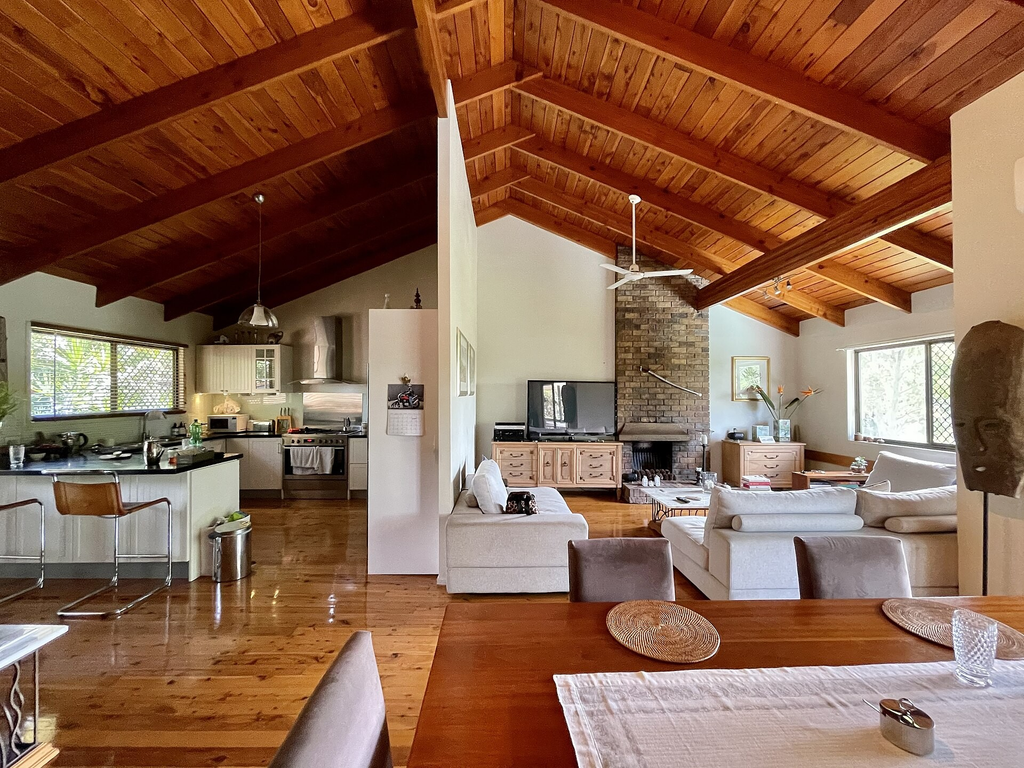
Photo by Kgbo, CC BY-SA 4.0, via Wikimedia Commons.
Start with a written job brief
The New South Wales Government advises homeowners to write a job brief no matter how small the project, from a few dot points to several pages, so what you want is in writing before anyone prices the work.
Give at least three contractors the same information. NSW’s guidance on getting quotes is a useful starting point, and consumer agencies in other states say the same: if each person is quoting from a different description, you are not comparing like with like.
Spell out the scope, room by room
Begin with what is in the job and what is not. List every room and, for each one, say what is being removed, kept and installed. “Renovate the bathroom” is too vague. “Remove the existing bath, vanity and toilet, keep the window and floor waste, and install a shower, a 1200 mm vanity and a new toilet in the same positions” is something a contractor can price.
Be clear about layout changes. Are walls being removed or added? Are windows or doors moving? Is the kitchen staying in the same footprint, or are the sink and cooktop changing walls? Those decisions affect plumbing, electrical work, structural work and, often, approvals, so they belong in the brief from the start.
If the work involves electrical, plumbing, gas or structural changes, say so. In Australia, that work must be carried out by licensed professionals. Your brief will not replace a site visit, but it should flag those elements so the right trades are allowed for.
Be specific about materials, brands and finishes
This is the section that most often explains a surprising quote. NSW’s guidance says your brief should list brand names and models of fittings, tiles and appliances, and should include everything you have in mind about the job. If you do not specify what you want, the quote may only include the cheapest products and materials.
You do not need a product for every last item, but you do need to close the obvious gaps. For a kitchen, that usually means benchtops, cabinetry, splashback, sink, tapware, appliances, flooring and lighting. For a bathroom, it means tiles (size, finish and where they go), the shower screen type, the vanity, the toilet, tapware and any accessories you expect to be included.
If you have not chosen a product yet, say so and ask for a labelled allowance, sometimes called a prime cost or provisional sum, rather than a silently chosen budget item. When the quotes come back, check that those allowances are visible, and in a similar range before you treat the totals as comparable.
Describe the site, access and what is included
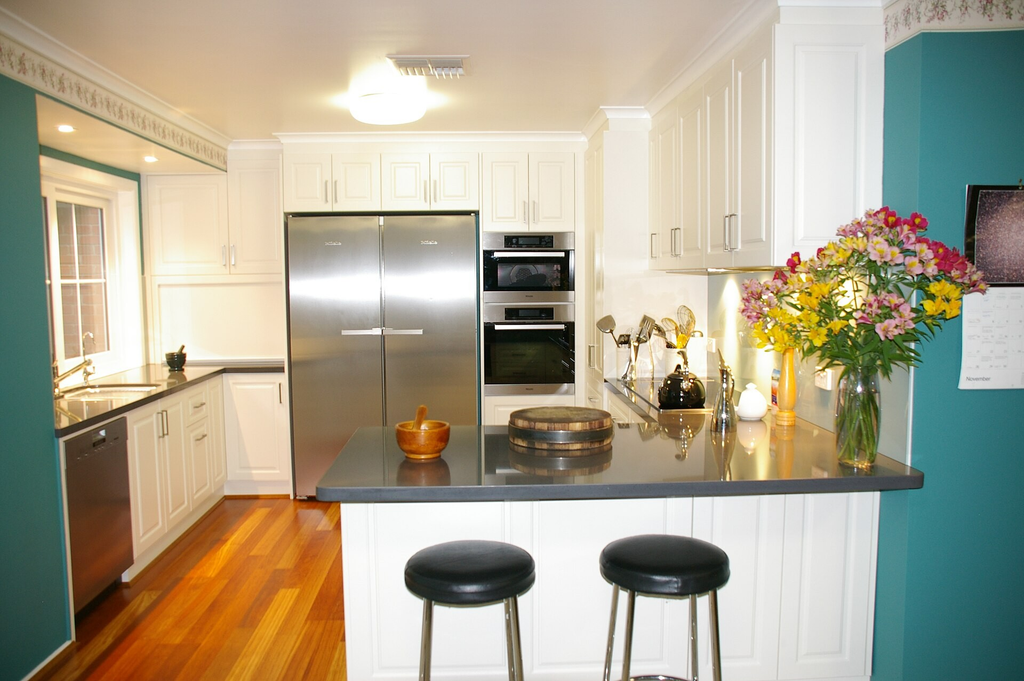
Two kitchens that look the same on paper can cost quite different amounts once you factor in the house itself.
Note anything that will slow the job or add handling: a narrow side path, stairs, no off-street parking, a tight lift, a steep block, or a house that will stay occupied. Mention where a skip can sit, and whether neighbours, strata or body corporate rules will limit hours or access.
Say who is responsible for demolition, rubbish removal, making good adjoining surfaces, and the final clean. NSW’s guidance specifically suggests stating whether you want the builder to clean the site. If it is not written down, each of you may assume the other is covering it.
Ask who will arrange any council approvals, certificates or inspections, and whether those fees are in the quote or extra. If you need the work finished by a particular date, or can only have noisy work on weekdays, put that in the brief.
Attach photos, measurements and any plans
A written description is much easier to price when it is paired with what the contractor will find on site.
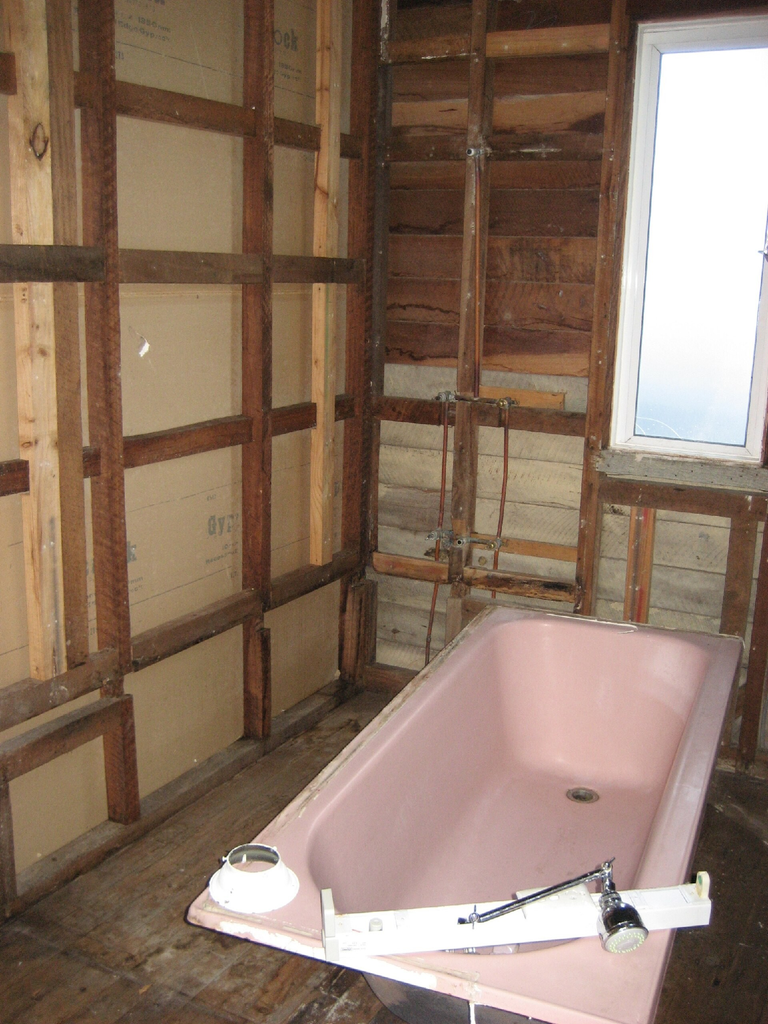
Take clear photos of each room, including corners, ceilings, existing fittings, and any damage or unusual details. Photograph the access path, and the exterior if the work affects it. Existing conditions matter: a bathroom that looks straightforward from the doorway may have confined plumbing or walls that need to be opened up.
Add basic measurements in metres: wall lengths, ceiling height, and the size of windows, doors and major fittings. Treat these as a guide. A careful contractor will still measure on site, but a brief with dimensions is far more useful than one without.
If you have drawings or a supplier design, attach those too. Inspiration photos help, but label them as inspiration unless you want that exact product. A picture of a stone island bench is not a specification unless you also say the stone, the thickness and the edge profile.
Send the same brief to at least three contractors
Consumer Affairs Victoria advises homeowners not to lock into a contract until they have compared at least three quotes for the same plans and specifications. NSW gives the same advice: give at least three contractors the same information so the quotes are easier to compare.
Send one version of the brief, with the same attachments, to everyone. If a renovator asks you to use a form or chat tool on their website, use it if it captures the same detail, and still attach the written brief so nothing is missed.
Ask for a written quotation. It should include all work to be done, list the materials to be used, and reflect your specifications. When it arrives, check that the products quoted are the ones you asked for, not substitutes.
How to compare the quotes fairly
The lowest number is not automatically the best value. Line the quotes up against your brief and look for gaps.
Check what is included and excluded, especially demolition, waste, making good, cleaning, appliances, tapware, approvals and GST. Look at whether materials match your specification or have been substituted. If one quote is much lower, it may be missing a trade, using a cheaper finish, or leaving items as client-supplied.
Pay attention to allowances, timeframes, and who will be on site, and confirm the contractor is licensed and insured in your state or territory. A slightly higher quote that is complete and properly licensed is usually easier to live with than a cheap one that leaves the rest to variations.
If you change your mind
NSW’s advice is that changing your mind before a quote is finalised is fine, as long as you give the same changes to each person preparing a quote. If you only tell one contractor, the comparison falls apart.
Once a contract is signed, discuss any change with the contractor first. Variations can affect the final price, and they should be put in writing and signed by both parties rather than agreed in passing on site.
Licences, contracts and a safety note
Contract, licensing and insurance rules differ across Australia and often depend on the value of the work. In New South Wales, a written contract is required for residential building work worth more than $5,000. In Victoria, work costing more than $10,000 generally needs a registered building practitioner, with some exceptions. Check the current rules with the building or consumer authority in your state or territory before you sign anything.
Electrical, plumbing, gas and structural work must be done by licensed Australian professionals. This article is general information for homeowners, not legal, financial or building advice.
A simple checklist
Check that the brief includes:
- A room-by-room description of what is being removed, kept and installed
- Any layout, structural, plumbing, electrical or gas changes
- Brands, models and finishes, or clearly labelled allowances where you have not chosen yet
- Site access, occupancy, cleaning, waste and approval responsibilities
- Photos, measurements in metres, and any plans
- The same document and attachments going to at least three contractors
- A request for a written quote that lists work, materials and exclusions
The bottom line
Accurate, comparable renovation quotes start with the request. Write down the scope, specify the finishes, describe the site, attach photos and measurements, and send that same brief to more than one licensed contractor. The prices you get back will still differ, but they will differ for reasons you can see and judge, not because each person had to invent a different job.
About the author: The ZoeyAI team is an Australian company that builds an AI website chatbot for small businesses, including trades and home-service businesses that collect quote requests through their websites. ZoeyAI