

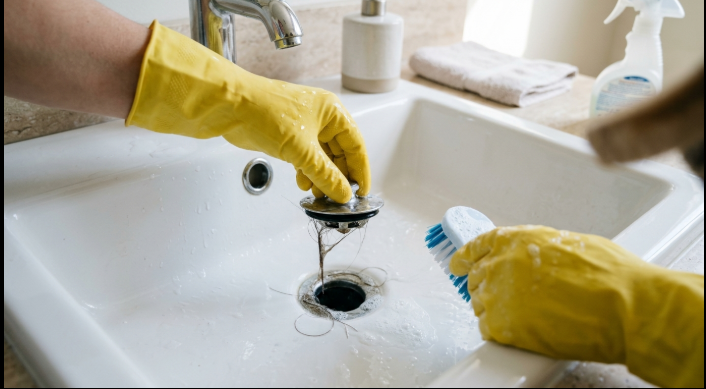
Hair is the reason your shower won’t drain. Mostly. Mix in some soap scum and body oil and you get a plug that grows a little every time someone has a wash. If you’re searching for how to clean shower drain clogs because you’re standing in grey water up to your ankles, you’re in the […]
Hair is the reason your shower won’t drain. Mostly. Mix in some soap scum and body oil and you get a plug that grows a little every time someone has a wash. If you’re searching for how to clean shower drain clogs because you’re standing in grey water up to your ankles, you’re in the right place.
You don’t need anything fancy. A screwdriver, rubber gloves and a box of baking soda will fix most of these. Below are seven methods, from the five-minute job to the one where you unscrew pipework. You’ll also get a straight answer on how do you clean a drain without damaging it, and a few signs that it’s time to ring a plumber.
Why How to Clean Shower Drain Jobs Keep Coming Up
Think about what goes down that hole. Shampoo, conditioner, shaving stubble, dead skin, the occasional lost hair tie. Hot water keeps the soap runny until it hits the cooler pipe, then it sets into a sticky film. Hair catches on the film. More soap catches on the hair. You can see where this goes.
A blocked drain also stinks. Whatever is stuck in there starts to rot, and the smell comes up every time you turn the shower on. Standing water doesn’t help either, because mould loves a damp shower base.
A small clog costs you nothing but ten minutes. A packed one further down the line can cost a few hundred dollars. If you’re about to start a home renovation, clear the drain before the tilers arrive.
Signs You Need to Know How to Clean Shower Drain Blockages
Drains complain well before they quit. Watch for water pooling around your feet, a gurgle after you switch the shower off, or a damp, eggy smell from the plug hole. Tiny black flies hanging around the shower floor are another giveaway. They breed in the gunk.
The simplest sign is speed. If the water takes noticeably longer to disappear than it did a few weeks ago, the pipe is narrowing.
One or two of these usually means a clog near the top that you can reach. All of them at once points to something further down.
What You Need Before You Start
Most of this is already in your house. Grab rubber gloves, a screwdriver, an old toothbrush, baking soda, white vinegar, a kettle, a sink plunger, a bucket and a couple of old towels. A plastic zip-it tool or a small drain snake costs a few dollars at any hardware store and is worth owning.
An enzyme drain cleaner is optional. Buy one if your drain clogs often.
Wear the gloves. Shower drains hold bacteria and you’ll be handling whatever comes out.
Method 1 – Pull the Hair Out by Hand
This is the first thing to try when you want to know how to clean shower drain systems, and it fixes more slow drains than any bottle from the supermarket.
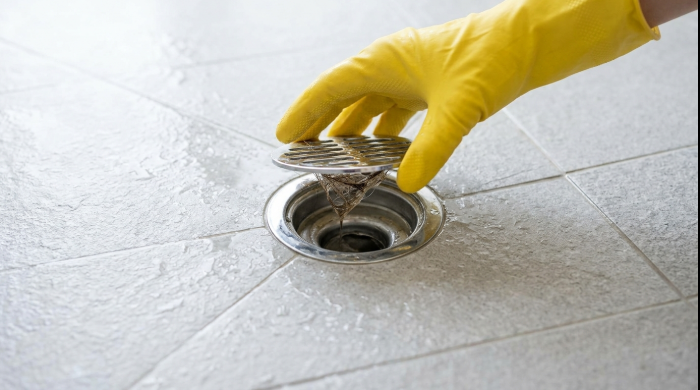
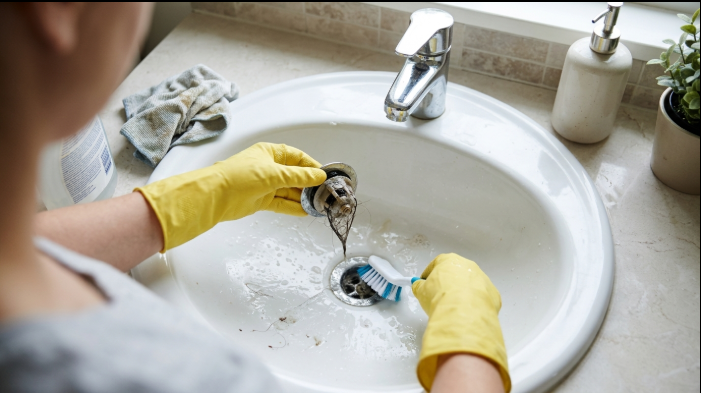
Take the cover off. Some lift straight out, others sit under a screw or two. Shine a torch into the hole. You’ll usually see a dark clump of hair just below the opening.
Pull it out with your fingers, tweezers or a zip-it tool. Bin it. Don’t flush it down the toilet, because you’ll just move the problem. Scrub the cover and the rim with a toothbrush and a drop of dish soap, then run hot water for a minute.
Do this every fortnight and you may never need the other six methods.
Method 2 – How to Clean Shower Drain Pipes With Baking Soda and Vinegar
You’ve probably seen this one everywhere. It does work, as long as you don’t expect too much from it. The fizzing helps break up soap scum and light grease on the pipe walls.
Pour half a cup of baking soda down the drain, then half a cup of white vinegar. Cover the hole with the plug or a wet cloth so the fizz goes down instead of up. Wait 15 to 30 minutes. Flush with a kettle of hot water.
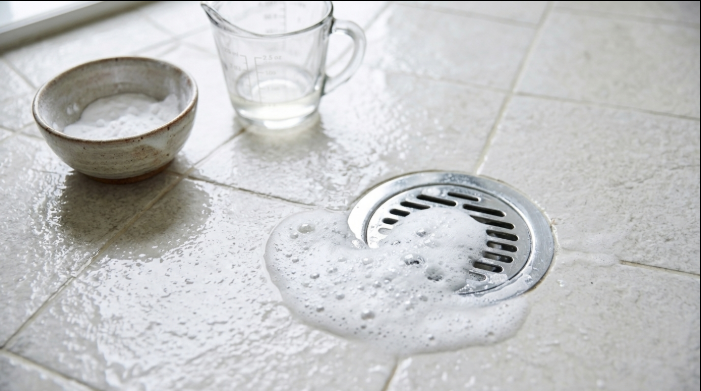
Use it as a monthly freshen-up. It won’t dissolve a thick hair clog, so pull the hair out first.
Method 3 – Flush the Drain With Hot Water
Hot water melts soap residue and body oil faster than anything else, and it’s free.
Check your pipes before you grab the kettle, though. Metal pipes handle boiling water fine. Most newer bathrooms have PVC, and boiling water poured down it again and again can soften and warp the joints. If you’ve got PVC, use the hottest water from the tap.
Pour a third of it, wait twenty seconds, then pour the next third. That gives the heat time to travel down the pipe.
Hot water won’t shift hair. Use it as a rinse once the clog is out.
Method 4 – Use a Drain Snake or Zip-It Tool
Sometimes the hair is past the reach of your fingers. This is when a snake earns its place. Plumbers use bigger versions of the same tool for drain pipe cleaning.
Feed it in slowly, twisting as you push. When it stops, you’ve found the clog. Keep turning the handle so the barbs catch the hair, then pull it back out. It won’t be pretty. Wipe it off, push it in again, and keep going until it comes out clean. Finish with hot water.
Plastic zip-it tools suit most showers. Metal augers can scratch fibreglass and enamel, so go slow with those.
Method 5 – Try an Enzyme Drain Cleaner
Enzyme cleaners use bacteria to eat the organic stuff in your pipes: hair, skin, soap. They’re slow, but they’re gentle and safe for most septic systems.
Pour it in before bed and don’t run any water overnight. Check the label for amounts, since every brand is a bit different. Many recommend a dose once a month.
These are better at stopping clogs than curing them. If the drain is already blocked, use a snake first and the enzymes after.
Method 6 – Use a Plunger
A plunger pushes and pulls water through the pipe, and that movement can shake a clog loose.
Let a few centimetres of water sit in the shower base so the rubber can seal. If there’s an overflow opening, stuff a wet cloth in it. Sit the plunger over the drain and pump firmly 10 to 15 times. See if the water moves. Try again if it doesn’t.
Don’t plunge straight after pouring in a chemical cleaner. Splashback burns skin and eyes.
Method 7 – Clean the P-Trap
If nothing above works, the blockage is probably sitting in the trap. That’s the U-shaped bend in the pipe that holds a little water and stops sewer smells from coming up.
Some showers have an access panel. Others can only be reached from below, through a ceiling or cupboard. If you can get to it, put a bucket under it, loosen the slip nuts by hand and take the trap off. Tip it out, brush it clean, rinse it, then put it back and run water to check for leaks.
If you can’t reach it, or you’ve never touched plumbing before, stop here. A badly refitted trap leaks into the wall, and you won’t notice until the damage is done. That’s a job for a licensed plumber.
How Do You Clean a Drain Without Causing Damage?
A few mistakes are easy to make.
Never mix bleach with vinegar or ammonia. The fumes are toxic.
Go easy on strong chemical drain openers. They eat into old pipes and rubber seals, and they’re a poor choice for septic tanks. If you do use one, read the label, open a window and run the fan.
Don’t force a metal auger through a solid blockage. You can put a hole in the pipe.
How to Clean Drains Around the Rest of the House
The same ideas apply to every drain you own. Hair causes most bathroom clogs. Grease and food scraps cause most kitchen ones.
On a bathroom basin, lift the stopper, clear out the gunk, then use the baking soda mix. In the laundry trough, lint and detergent build up in the trap, so clean the strainer and flush with hot water once a month. For outdoor grates, scoop out the leaves and dirt, then hose the pit.
If you’re swapping fittings anyway, our guide to smart bathroom upgrades covers products that are easier to keep clean.
How to Clean a Sink Drain
Learning how to clean a sink drain is easier than the shower, because the trap sits right under the bowl.
Take out the stopper or strainer and pull off whatever’s clinging to it. Pour in half a cup of baking soda, then half a cup of vinegar. Wait 15 minutes, then flush with hot water. Still slow? Put a bucket under the trap, unscrew it and empty it out.
Bathroom basins get worse than you’d think. Toothpaste, soap and hair turn into a paste that narrows the pipe month after month. Clean it monthly and it won’t get that far.
How to Clean Kitchen Sink Drain Clogs
Kitchen drains clog differently. It’s fat, oil and food scraps, not hair. If you want to know how to clean kitchen sink drain lines without calling anyone, start with habits.
Scrape plates into the bin before washing up. Run hot water for half a minute before and after you use the sink. Once a month, do the baking soda and vinegar mix and chase it with hot water. Wash the strainer basket weekly.
Don’t tip cooking oil down the sink. It cools, hardens and glues everything else together. Wipe greasy pans with paper towel and pour used oil into a jar for the bin.
If you have a waste disposal unit, run cold water while it’s on. Skip stringy scraps like celery and corn husks.
How to Clean Shower Drain Buildup Before It Comes Back
A bit of routine saves a lot of grief.
Fit a hair catcher. A cheap mesh or silicone one stops most hair before it reaches the pipe. Empty it after each shower. Brush your hair before you get in, so the loose strands end up in the brush.
Run hot water for 30 seconds when you finish. It pushes soap residue along before it cools and sticks. If you can, swap bar soap for body wash, since bar soap leaves more scum behind.
Pick one weekend a month for the baking soda and vinegar clean. Every few months, lift the cover and check what’s under there.
When to Call for Drain Cleaning and Sewer & Drain Services
Some blockages aren’t a DIY job. Ring a licensed plumber if more than one fixture is backing up at the same time, water comes up through a floor drain or the toilet, a sewage smell hangs around after you’ve cleaned, or the clog is back within a few weeks. Wet patches or mould on walls near the bathroom are another red flag.
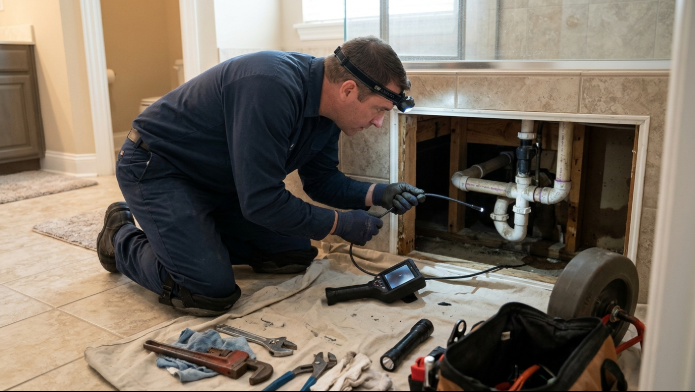
Those signs usually mean the problem is further down the line. It might be tree roots, a cracked pipe or a blocked main. Plumbers use high-pressure water jets and small cameras to find and clear it. That kind of drain cleaning reaches places your household tools can’t.
Professional sewer & drain services also cover repairs, relining and inspections. Check the plumber’s licence with your state or territory regulator, and ask for a quote before any work starts.
Keep the Routine Simple
Drains don’t block overnight. They fill up slowly, which is why small habits matter. Pull the hair out every couple of weeks, do the baking soda and vinegar clean monthly, fit a catcher and rinse with hot water after you shower.
If that stops working, move up to a snake, a plunger or the trap. If clogs keep returning or hit more than one fixture, book a plumber.
Once you know how to clean shower drain problems, the whole job takes about as long as making a cuppa. For more guides like this, browse our home maintenance tips section.
FAQs About How to Clean Shower Drain Problems
How often should I clean my shower drain?
Pull out hair every one to two weeks and do a baking soda and vinegar clean once a month. With long hair or a full house, check it weekly.
What’s the quickest way to clean a shower drain?
Take the cover off and pull the hair out with gloved fingers or a zip-it tool. It takes around five minutes and deals with the main cause of most slow drains.
Can I use bleach to clean a shower drain?
Bleach can disinfect the cover and surface, but it won’t dissolve a hair clog. Never mix it with vinegar, ammonia or other cleaners. The fumes are dangerous.
Why does my shower drain still smell after cleaning?
A dry trap, soap scum under the cover or a venting fault can all cause it. Run the water for a minute to refill the trap, then scrub the underside of the cover. If the smell stays, call a plumber.
How do you clean a drain without chemicals?
Use a snake or zip-it tool, then flush with hot water. Baking soda with vinegar, or an enzyme cleaner, handles regular upkeep.
Is boiling water safe for shower drains?
It’s fine for metal pipes. With PVC, use very hot tap water instead, since repeated boiling water can soften and warp plastic pipe.
What’s the difference between how to clean drains in the kitchen and the shower?
Shower drains clog with hair and soap scum, so hair removal comes first. Kitchen drains clog with grease and food, so hot water, strainers and how you dispose of oil matter more.
When should I call a plumber instead of fixing it myself?
Call one if several drains are blocked, a sewage smell lingers, water backs up from another fixture, or the clog returns soon after you’ve cleared it.
