
What Is Economy Home Decor? Economy home decor is the style of decoration on a tight budget. It consists of inexpensive art on walls, lamps, rugs, pillow covers, curtains, plants, and even pieces of furniture that are stylish and affordable. It does not involve the purchase of the cheapest item available at the store; otherwise, […]
What Is Economy Home Decor?
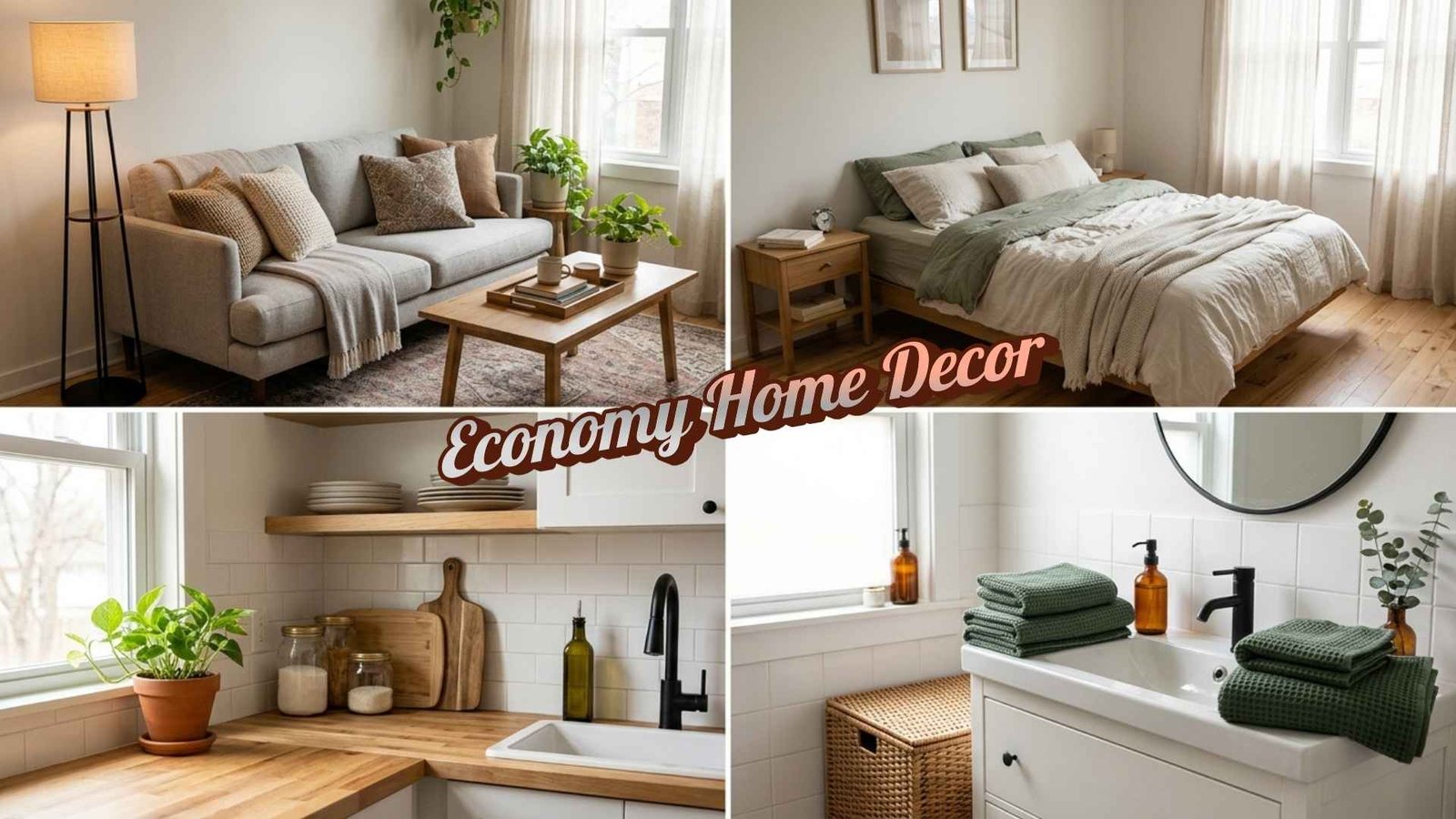
Economy home decor is the style of decoration on a tight budget. It consists of inexpensive art on walls, lamps, rugs, pillow covers, curtains, plants, and even pieces of furniture that are stylish and affordable. It does not involve the purchase of the cheapest item available at the store; otherwise, the result would be a depressing interior after just one month.
I have written for local shops for over ten years, and I have listened to a lot of shoppers. The happiest homeowners are rarely the ones who spent the most. They took their time. They bought one thing, lived with it, and then bought the next. That is the heart of economy home decor.
Why Are So Many People Choosing Economy Home Decor Now?
Everything costs more than it used to. Rent, groceries, fuel, and school bills all take a bite. When money is tight, a new sofa set is not on the list. But people still want a home that feels nice when they walk through the door.
That is where economy home decor fits in. A new curtain, a warm lamp, or a fresh coat of paint can change a room in one afternoon, and the bill stays small. Local habits matter here too. In a city like New Orleans, the local economy shapes what people buy. Many families there hunt for old, solid home decor and furniture at estate sales and small shops instead of paying full price at a big store.
What Are the Best Economy Home Decor Ideas?
I have watched these economy home decor ideas work in small flats, rented rooms, and big family homes. None of them needs special skills.
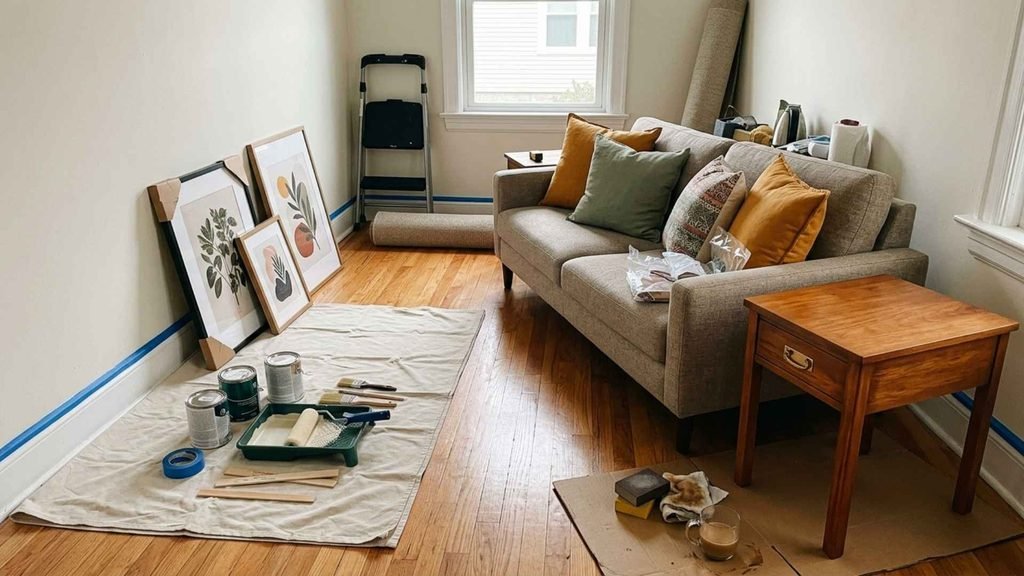
Paint is where I tell most people to start. One accent wall in a deeper colour gives the room a centre. A can of paint costs little, and the job is done in a weekend. Pick a shade that goes with your sofa or bed, or the wall will look random.
Pillows and throws come next. They are cheap, and you can swap them when you get bored. Stay with two colours, three at most. More than that and the room looks busy.
Plants help a lot. Pothos and snake plants are hard to kill. Fake plants are fine too, honestly, especially in a room with no sun.
Frames look best in groups. Printed family photos, kids’ drawings, even pages from old books will do. Once you hang six together with the same gap between them, nobody can tell what the frames cost.
Lighting is the one people forget. A bright ceiling bulb makes a nice room look flat. Swap it for a warm bulb and add a small lamp in the corner. Two or three soft lights beat one harsh one every time.
A mirror across from a window makes a room feel wider and brighter. It costs less than a new lamp, and it does more.
Small hardware changes are my favourite trick. New knobs on an old dresser take ten minutes. The dresser looks like a different piece.
All of these economy home decor ideas work in any room. Start where you spend the most time, because that is where you will enjoy the change every day.
How Do You Choose Home Decor Furniture on a Small Budget?
Furniture is usually the highest cost, so be careful here. Home decor furniture is where people either save a lot or waste a lot.
Purchase products that will serve two purposes. Storage benches provide both seating and storage for shoes. You can use a table both for working during the day and to hold some accessories at night. Also, a bed with drawers means one less chest to buy.
Try secondhand goods first. They may offer quality wooden products at a good price. Used wood furniture is usually more durable than modern products made of plywood. Examine legs, drawers and corners of the product. Gently shake it. If it moves or its joints are loose, don’t purchase it.
Take measurements first. It is impossible to repeat this point often enough. One can be charmed by a big sofa and only after purchase realise it won’t fit against the wall. Take measurements of the room and write them down in your phone. Do not obstruct the centre of the room.
A tired piece can come back to life with sanding, a little paint or stain, and new knobs. That kind of fix is one of the best parts of economy home decor, since you end up with something nobody else has.
Which Rooms Should You Update First?
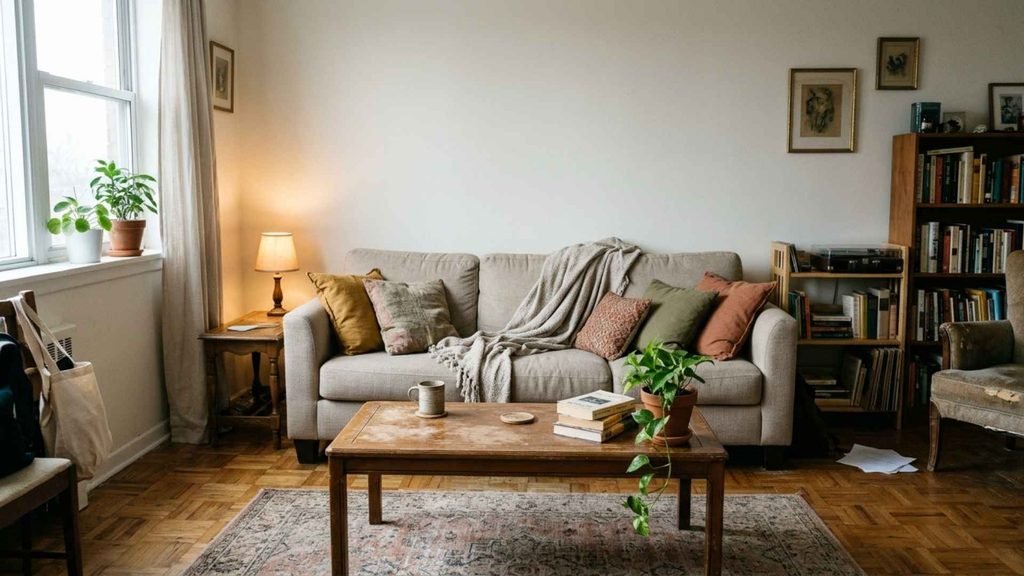
Let us start with the living room, as it is where all the guests gather, as well as the place where the family relaxes in the evening. Just a rug, two cushions, and one lamp will change everything.
Next comes the bedroom. Here you should use light tones and soft bedding. Leave the surface of your dresser free of anything.
As for the kitchen, it requires almost nothing. Some new drawer handles, a bright towel, and a plant on the windowsill will be enough here. You should avoid the set of all sorts of gadgets. An empty countertop looks better.
The bathroom is not very large; however, it is very responsive. A new shower curtain, some matching towels, and one shelf is quite enough here. And what about the entrance? A couple of hooks, a mirror, and a little bench are all you need.
How Do Colours Help Your Home Look Better?
Colour costs nothing to plan, and it makes every other item look better. My simple rule is one main colour, one second colour, and one bright touch. Soft grey, warm white, and a bit of mustard yellow is a combination I have used many times.
Light colours make small rooms feel bigger. Dark colours feel warm and close, which suits a bedroom. Keep the big things, like the sofa and rug, in calm shades. Put the strong colours in pillows and art. When you get tired of the look, change the small items only. That is how economy home decor stays fresh without new furniture.
What Mistakes Should You Avoid?
The first mistake is buying too much at once. A room full of new things looks crowded. Buy a few items, wait a week, then decide what is missing.
The second is mismatched pieces. Before you buy, hold a paint chip or cloth sample next to your main furniture. It takes a minute and saves money.
The third is always picking the lowest price. Cheap items break, and then you pay twice. I would rather pay a little more for something strong. Good economy home decor is about value, not the smallest number on the tag.
The fourth is skipping the return rules online. Some stores charge a fee. Some will not take back large items. Read the rules before you pay.
How Does the Creator Economy Affect Home Decor Shopping?
A lot of people now get ideas from social media. Home creators post room makeovers, shopping lists, and budget tips every day. This is the creator economy, and it has changed how people buy home decor. One short video can send thousands of people to buy the same lamp.
This leads us to creator economy brand safety home decor guidelines. Brand safety simply implies that a brand wishes for its products to be displayed accurately. A decor brand would not wish its products to be put alongside fake claims. There is a responsibility on the side of creators. They ought to use real homes, tell the truth and disclose clearly where the post is paid. Brands that collaborate with authentic creators build reputation, and reputation allows a small business to survive.
It is possible for you as a consumer to protect yourself. See whether the post has been paid or gifted. Look at reviews by actual customers. Check the prices in several stores. It is not always true that a beautiful picture would show how the lamp looks in reality. Adhering to creator economy brand safety home decor guidelines as a customer will mean saved money.
Where Can You Find Good Economy Home Decor?
It’s mostly very local to home. Thrift shops and flea markets are the places to go when you need wood furniture, frames, and lights. Estate sales have great home furnishings at discounted prices because people always want to sell quickly. Large stores get rid of their rugs, linens, and storage items at the end of each season.
Online marketplaces let you buy used items nearby. Meet in a public place and check the item before you pay. Local makers and small shops also sell fairly priced pieces, and your money stays in your community. That is one more reason economy home decor feels good.
Before you go out, write a short list. Note the room, the size, the colours, and your top price. A list stops impulse buying.
How Can You Plan a Weekend Makeover?
One weekend is enough for one room. On Friday night, clear out what you do not use. Saturday morning, paint a wall or fix an old piece. While the paint dries, shop for pillows, frames, or a lamp. Saturday afternoon, hang the art and place the new things. Sunday, step back and move items around until it feels right.
Do not try to finish the whole house. By the third room, you will know your taste, and you will buy with more confidence.
How Can You Make Your Items Last Longer?
Shelf frames should be cleaned once a week. Pillow covers and curtains need cleaning a few times per year. Wooden furniture needs polishing with the use of a soft cloth, and it is advised not to keep it in direct sunlight. The bottom of chairs should have felt pads attached.
Replace pillows and art pieces occasionally. There’s no cost involved, and your room will look fresh. Make repairs whenever there is any small damage, like a loose screw or damaged corner. Keep your season-specific items stored in boxes marked clearly. With proper maintenance, economy home decor is durable, and good furniture is even more so.
Conclusion
Economy home decor is about smart choices, not big spending. Pick a colour plan, try a few economy home decor ideas from this list, and add one item at a time. Choose strong home decor furniture, buy used when it makes sense, and be careful with what you see online.
After many years in this work, I can tell you the homes people love most are not the costly ones. They are the ones where each item was chosen with thought. Pick one room today and change one small thing.