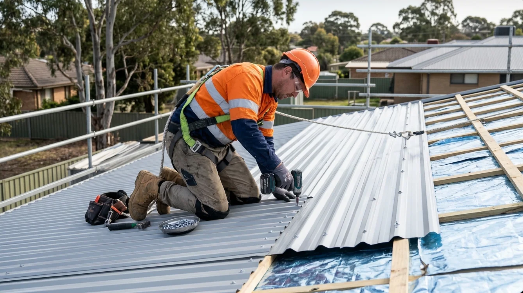

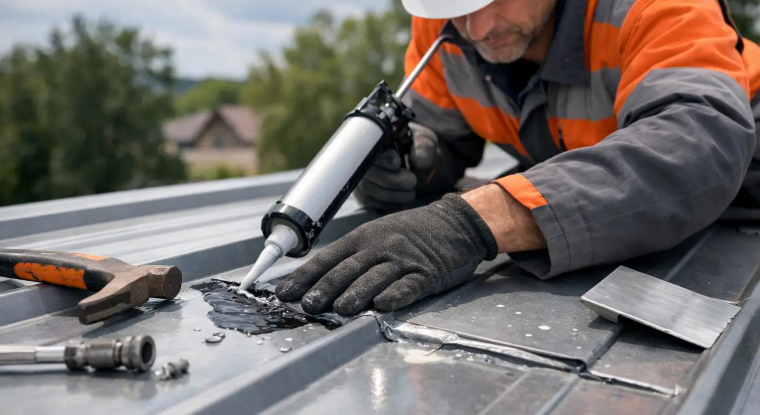
Identify the point where water is entering and repair the leak right away using suitable sealants or patches as well as any structural damage to the roof such as cracks on tiles or rusting on the metal. Although it seems very simple, water does not usually flow in a straight line. Here is an easy […]
Identify the point where water is entering and repair the leak right away using suitable sealants or patches as well as any structural damage to the roof such as cracks on tiles or rusting on the metal. Although it seems very simple, water does not usually flow in a straight line. Here is an easy procedure for Roof Leak Repair.
Signs You Need Roof Leak Repair
Before you can fix a roof leak, you need to know what you are dealing with. Water damage often starts long before you notice an active puddle on the floor. Keep an eye out for these telltale signs inside your home:
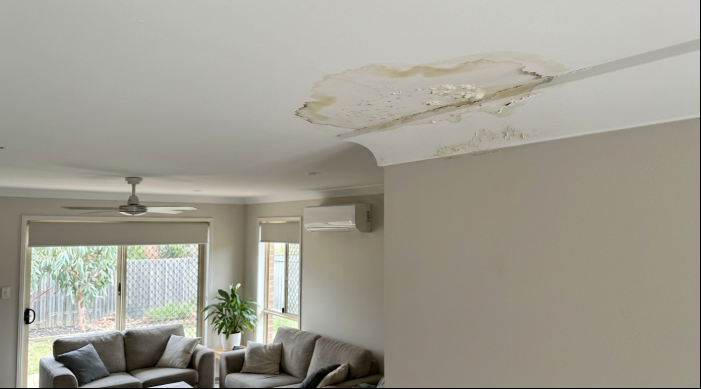
- Internal ceiling stains: Discoloured brown or yellow patches on your plasterboard.
- Bubbling paint: Water pooling behind wall or ceiling paint.
- Active dripping: The most obvious sign that water has breached your ceiling cavity.
- Mould or mildew: New growth on walls, ceilings, or inside the roof space.
- Sagging ceilings: A serious structural warning sign that your plasterboard is holding heavy water.
Common Causes of a Roof Leak Repair
To fix the problem permanently, you need to understand how the water got in. The most common structural failures include:
- Cracked or slipped roof tiles: Terracotta or concrete tiles that have broken or moved out of place.
- Rusted metal sheeting: Corroded sections on older corrugated or Colorbond roofs.
- Failed or degraded flashing: Cracked mortar or damaged roofing and flashing around chimneys, skylights, and valleys.
- Blocked valleys and gutters: Debris causing water to overflow backward under your roof sheets or tiles.
- Damaged roof membrane: Worn-out sarking or underlayment beneath your primary roofing material.
The Difference Between Roofing and Flashing
Even though they complement each other in making your house water resistant, roof and flashing play entirely different roles in the house. Roofing is defined as the main material used to cover the steep parts of the house, while flashing is described as special waterproof material used to seal gaps where the main material meets.
Roofing can be likened to raincoat that is protecting your house, while flashing is like waterproof tape that seals the gaps.
What is Roofing?
Roofing is the main protective barrier installed across the large, open expanses of your roof structure. Its primary job is to deflect rain, wind, and sun away from your home’s framing.
- Common Materials: Colorbond steel sheets, concrete tiles, terracotta tiles, or slate.
- Location: The main flat or sloped surfaces of the roof.
What is Flashing?
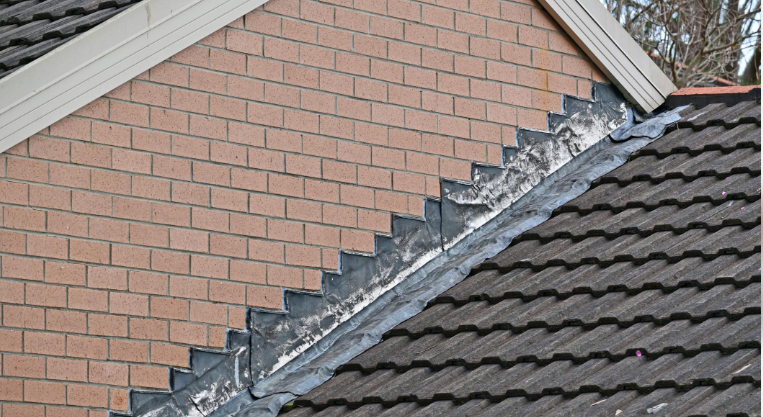
Flashing is a secondary defensive material designed specifically to seal transitions, intersections, and penetrations. Because water naturally flows into crevices, flashing bridges the gaps where roofing materials stop or change direction.
- Common Materials: Lead sheets, flexible polymer-aluminium (like Wakaflex), galvanised steel, or copper.
- Location: Wrapped around chimneys, surrounding skylights, lined inside roof valleys, and tucked against walls where a lower roof meets a two-storey wall.
DIY Roof Leak Repair Options & Materials
If the damage is minor and safe to access, you can tackle the repair yourself using specialised trade materials.
1. Sealants & Adhesives
For minor cracks, loose roofing screws, and small flashing joints, use a high-quality flexible sealant. Products like Selleys Roof and Gutter Silicone Sealant or Selleys Roof and Gutter Spray Seal are specifically formulated to withstand harsh UV rays and thermal movement.
2. Patching & Flashing Tapes
When joints or valleys fail, specialised heavy-duty tapes like EternaBond RoofSeal or lead-free flexible flashing options can easily bridge seams, patch holes in metal sheeting, and completely replace failed structural flashings.
3. Roof Tile Replacement
For tiled roofs, standard entry points are resolved by carefully slipping out the broken tiles, repairing or replacing any torn underlying roof felt or membrane, and re-laying the new tiles in courses from the bottom up.
How to fix roof leak : A Step-by-Step Guide for Homeowners
If you have successfully traced the source of your ceiling drip, you can take immediate action. To fix roof leak permanently, you must first clear any debris, apply the correct trade sealant or patching material to the entry point, and replace any structurally compromised tiles or metal screws.
If the weather is clear and you can safely access the area, follow these practical steps to secure your roof:
Step 1: Clean and Prepare the Area
Before applying any repair materials, the surface must be completely clean and dry. Use a wire brush to remove any dirt, moss, rust, or old, failing silicone around the leak site. If the surface is greasy or wet, new sealants will not bond correctly, and the leak will return during the next storm.
Step 2: Apply the Right Repair Technique
Depending on your roof type, use one of these standard fixes:
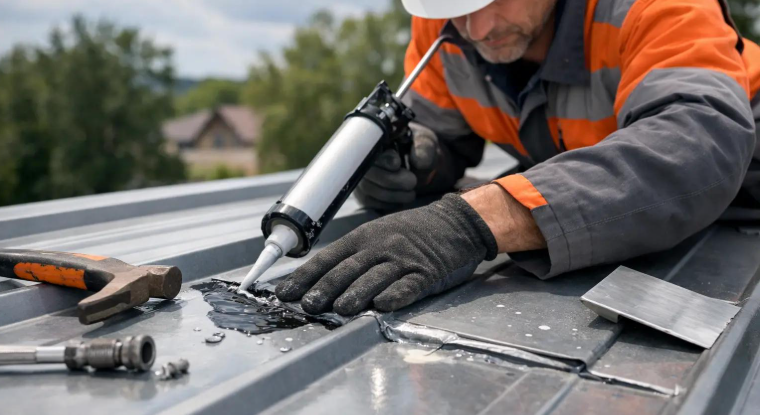
- For Minor Gaps and Flashing Seams: Apply a generous bead of Selleys Roof and Gutter Silicone Sealant directly into the gap. Smooth it down with a scraper or a gloved finger to ensure it completely seals the joint.
- For Small Holes or Rusted Metal Patches: Cut a piece of heavy-duty EternaBond RoofSeal tape to size. Peel off the backing and press it firmly over the hole, smoothing it from the center outward to eliminate air bubbles.
- For Broken Tiles: Carefully slide the broken tile upward and remove it. Check the underlying structural sarking (membrane) for tears and patch it if necessary, then slide a matching, unbroken tile back into its interlocking position.
Step 3: Check the Surrounding Screws and Fasteners
On metal and Colorbond roofs, leaks are frequently caused by perished rubber washers on roofing screws. Check the screws surrounding your repair area. If the rubber washer looks brittle or cracked, back the screw out and replace it with a new roofing screw featuring a fresh Neo (neoprene) washer to ensure a watertight seal.
When to Call a Licensed Roofing Contractor
Whereas smaller maintenance tasks can be done during a weekend, major repairs require professional skills. Should you have major rust on your roof, major re-pointing tasks to do, or a dangerous roof pitch angle, then it is time to consult an experienced roofer near you. A roofer will make sure that your repairs meet the required building code standards and stay watertight.
FAQs
How much does roof leak repair by professionals cost in Australia?
Roof leak repair by professionals will cost you different amounts depending on the extent of the damages and what kind of roof you have. You will need to pay a handyman or a roofing professional between $300 and $600 for smaller tasks such as sealing of a small flashing crack and replacement of a few cracked tiles.
2. Can I conduct roof leak repair myself?
Absolutely, DIY roof leak repair is completely possible if you have small-scale and localised damages and access to them. Sealing of small flashing cracks through injection of Selleys Roof and Gutter Silicone, application of heavy duty patching tapes on small rust holes and replacement of a broken tile can all be done easily in a weekend.
3. How can I stop my leaking roof temporarily during a rainstorm?
In case you do not have an opportunity to access your roof in order to repair the leak in the roof during bad weather conditions, you need to manage to do some damage control on your own from inside. First of all, you should put big buckets where the leak drips and move all your furniture out of the room. In case the bulge starts to appear in your ceiling made of plasterboard, you should make a small hole using your screwdriver or drill at the center of the bulge to release the pressure.
4. Is it possible to get a compensation for repairing my roof leak from my home insurance?
According to the regulations, home insurance usually pays off for the cost of the roof leak repair only in case of unexpected events like strong storms, falling branches and hail. Insurance companies usually do not cover the cost of the repairs if the leak appeared because of normal wear and tear, rusting of valleys, uncleaned gutters or lack of maintenance.